Japan's Motorcycle Giants Quietly Gear Up for an Electric Future: Q&A
While electric motorcycle startups and legacy spinoffs often dominate headlines, Japan’s biggest names—Honda, Yamaha, Kawasaki, and Suzuki—are methodically plotting their own electric revolution. Though high-performance electric superbikes aren’t yet lining showrooms, these companies are steadily building portfolios, factories, and long-term strategies that signal a clear shift toward electrification. Here’s what you need to know about their plans.
1. Why have Japanese motorcycle makers been slow to embrace electric motorcycles?
Japanese manufacturers have historically focused on refining internal combustion engines, achieving incredible efficiency and reliability. Their caution with electric bikes stems from a desire to maintain high standards for range, performance, and durability. Rather than rushing to market with half-baked models, they have been methodically developing battery technology, charging infrastructure, and supply chains. Additionally, their global customer base includes many regions where gasoline is cheap and charging infrastructure is sparse. This patience, often criticized as hesitancy, actually positions them to release more mature, affordable electric options when the market is ready.
2. What concrete steps are Honda and Yamaha taking toward electrification?
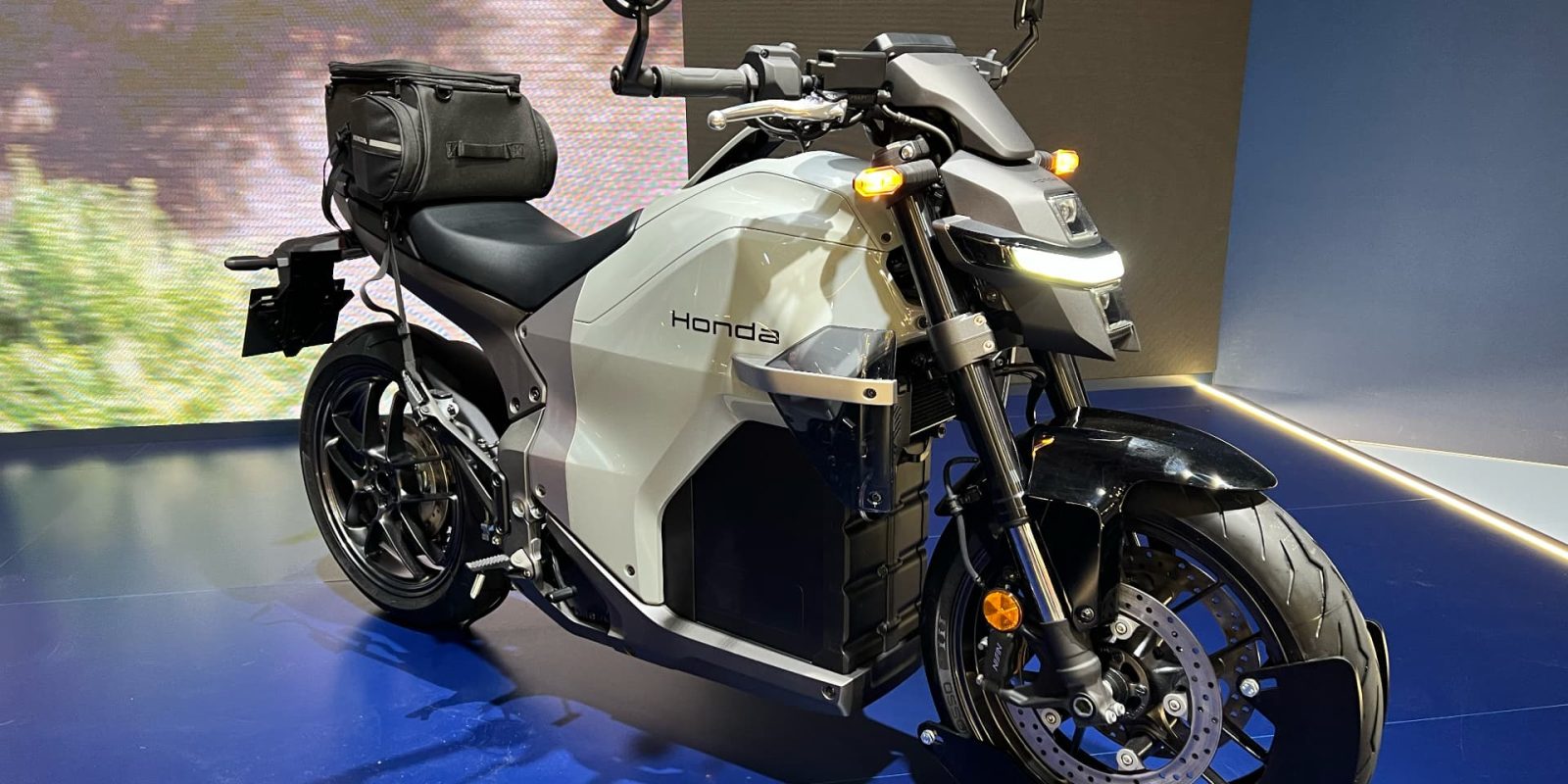
Honda has committed to launching multiple electric models by 2025, including commuter scooters and larger bikes. They are building a dedicated EV production line in Kumamoto, Japan, and partnering with battery suppliers. Yamaha is testing electric concept bikes like the E01 scooter and developing a swappable battery system in partnership with Honda, KTM, and Piaggio. Both companies have also invested heavily in solid-state battery research, aiming for longer range and faster charging. Their approach is incremental: start with small commuters, then scale up to performance models as technology improves.
3. How are Kawasaki and Suzuki contributing to Japan’s electric motorcycle strategy?
Kawasaki shocked the industry with their announcement of a supercharged hybrid motorcycle (the Ninja 7 Hybrid) and a fully electric model (the Ninja e-1) slated for 2023. They are leveraging their expertise in forced induction to create unique powertrains. Suzuki has been quieter but recently unveiled the Burgman Electric prototype and is developing a swappable battery standard alongside other Japanese firms. Both companies are part of the Gachaco consortium, which standardizes battery swapping across brands, making infrastructure more viable.
4. What role does the Gachaco battery-swapping consortium play?
Launched in 2021, Gachaco is a joint venture between Honda, Yamaha, Kawasaki, Suzuki, and energy company Eneos. Its goal is to create a universal swappable battery system for light electric vehicles, similar to Gogoro’s model in Taiwan. This reduces range anxiety and lowers cost by allowing riders to exchange depleted batteries at stations instead of waiting for a charge. The consortium is piloting stations in Japan and aims to expand globally, making it easier for consumers to adopt electric motorcycles from any participating brand.

5. Will Japanese manufacturers ever produce high-performance electric superbikes?
Yes, but not immediately. The focus is first on affordable commuters where battery and performance trade-offs are acceptable. However, Honda has shown the RC213V-S prototype with a MotoGP-inspired electric drivetrain, and Yamaha has showcased the PES2 sport bike concept. Once battery costs drop and energy density improves—likely by 2027–2030—expect these giants to unleash electric superbikes that match or surpass their gasoline counterparts in speed and handling. Their competitive spirit in MotoGP ensures they won’t ignore the premium segment forever.
6. How do Japanese motorcycle EV plans compare with Chinese or European competitors?
Chinese brands like Niu and Yadea have flooded the market with low-cost electric scooters, while European companies like LiveWire and Zero have focused on high-performance bikes. Japanese firms are taking a middle path: they plan to offer a full spectrum from cheap mopeds to premium motorcycles, but with the reliability and service networks they are famous for. Their joint development of battery standards also gives them a scale advantage over fragmented rivals. The key difference is patience: Japanese manufacturers are waiting for the technology to mature rather than releasing flawed products early.
7. What challenges do Japanese motorcycle makers face in the electric transition?
Three main challenges: cost, infrastructure, and brand identity. Battery packs remain expensive, making electric bikes hard to price competitively. Charging and swapping infrastructure is sparse outside Japan. And many loyal customers associate Japanese brands with the sound and feel of combustion engines. Overcoming these hurdles requires government support, partnerships with energy companies, and marketing that highlights performance benefits. Additionally, they must avoid over-reliance on Chinese battery supply chains. Honda and others are investing in domestic battery production to mitigate this risk.