Cannabis and Seniors: 5 Hidden Health Dangers Older Adults Must Consider
Why Potency Matters for Seniors
As cannabis use among older adults climbs dramatically, many seniors are unaware that today's marijuana is far stronger than what was available decades ago. According to specialists at Stanford Medicine, the increased potency of modern strains brings heightened risks for people over 65, affecting everything from heart function to daily safety. While some turn to cannabis for pain or sleep, experts emphasize that the potential downsides can outweigh the benefits for older users.
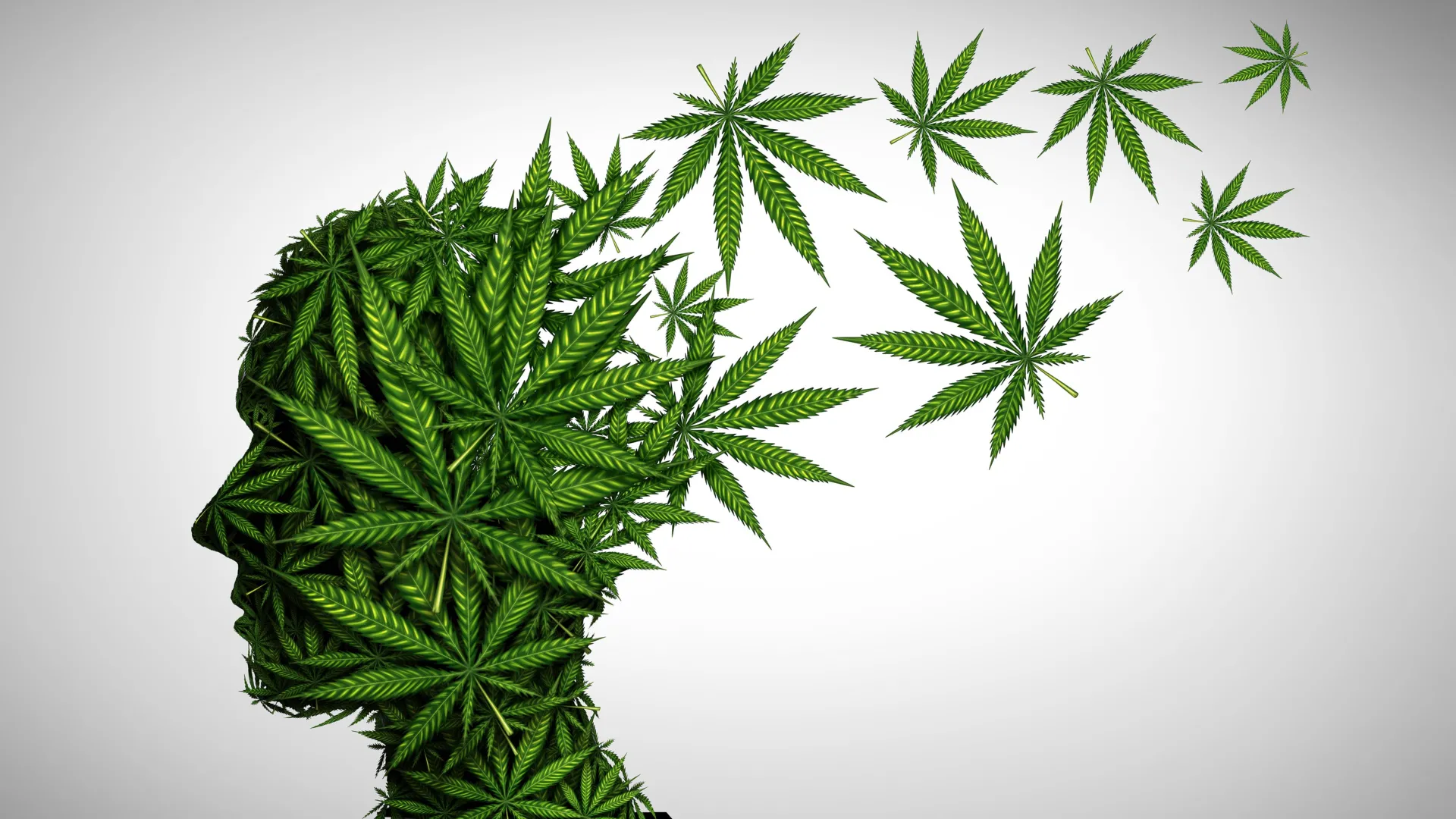
5 Key Risks for Adults Over 65
1. Cardiovascular Complications
Cannabis can cause a rapid spike in heart rate and blood pressure, which may trigger heart problems such as arrhythmias or even heart attacks. For seniors with existing heart conditions, the strain on the cardiovascular system can be especially dangerous. Stanford researchers note that even occasional use can increase the risk of stroke and other vascular events in older adults.
2. Increased Fall Risk
THC, the psychoactive component in cannabis, affects balance and coordination. This is particularly concerning for seniors, who already face a higher risk of falls. Dizziness, slowed reflexes, and impaired motor skills can lead to serious injuries like hip fractures or head trauma. Experts advise caution when using cannabis, especially in the first hours after consumption.
3. Memory and Cognitive Decline
Regular cannabis use has been linked to short-term memory problems and difficulties with concentration and decision-making. For older adults, whose cognitive reserve may already be reduced, these effects can accelerate age-related decline. Stanford's findings suggest that long-term use may mimic early signs of dementia, making it harder to distinguish from conditions like Alzheimer's disease.
4. Dangerous Drug Interactions
Seniors often take multiple medications, and cannabis can interfere with how these drugs work. The liver's cytochrome P450 enzyme system breaks down both cannabis and many common prescriptions—blood thinners, antidepressants, and sedatives. When combined, drug interactions can cause levels of certain medications to rise dangerously, increasing side effects or reducing effectiveness. Consulting a pharmacist or doctor is essential before using cannabis.
5. Risk of Addiction and Dependence
Contrary to popular belief, cannabis can be addictive. Older adults may develop a dependency more quickly due to changes in brain chemistry and metabolism. Withdrawal symptoms—irritability, insomnia, anxiety—can make quitting difficult. Stanford experts warn that addiction can isolate seniors and worsen existing health issues, creating a cycle of increased use and declining health.
How to Stay Safe
If you or a loved one is considering cannabis after 65, take these precautions:
- Start with very low doses (e.g., 1-2.5 mg of THC) and choose products with balanced CBD-to-THC ratios.
- Avoid smoking; consider edibles or tinctures under medical supervision, but be aware that onset is delayed and effects last longer.
- Inform your healthcare provider about any cannabis use, including over-the-counter products.
- Never drive or operate machinery after consuming cannabis.
- Monitor for side effects like dizziness, confusion, or rapid heart rate, and stop use if they occur.
Important: If you take any prescription medications, ask your doctor or pharmacist to check for potential drug interactions. Your health and safety come first.
Conclusion
While cannabis may offer benefits for some older adults, the risks—especially with today's potent strains—cannot be ignored. Stanford Medicine's research underscores the need for caution, education, and open communication with healthcare professionals. By understanding these five hidden dangers, seniors can make informed decisions and protect their health.