How to Understand and Respond to the Revised GUARD Act's Impact on Privacy and Parental Choice
Introduction
Lawmakers have recently narrowed the GUARD Act, a bill originally targeting minors' access to AI systems, but the revised version still raises serious concerns about privacy, free speech, and parental authority. The original proposal applied broadly to nearly all chatbots and search tools; the current version focuses on "AI companions"—conversational systems that simulate emotional or interpersonal interactions. While this change addresses some criticisms, the bill still requires intrusive age verification linked to real-world identities, leaves key definitions ambiguous, and imposes heavy penalties on developers. This guide will walk you through the key elements of the revised GUARD Act, help you assess its impact on your family or community, and provide actionable steps to respond effectively.
What You Need
- A basic understanding of AI companion tools (e.g., chatbots, virtual assistants, storytelling apps)
- Access to the full text of the revised GUARD Act (available via Congress.gov)
- Familiarity with your state’s age-verification laws (optional but helpful)
- A device with internet access for research and advocacy
- Contact information for your elected representatives (House and Senate)
How-To Steps
Step 1: Understand the Revised Scope of the GUARD Act
Start by learning exactly what the bill now regulates. The amended GUARD Act targets only "AI companions"—systems designed to simulate emotional or interpersonal interactions. These include chatbots that encourage emotional disclosures or present a persistent identity, persona, or character. Notably, general search engines and basic chatbots without an emotionally responsive feature are likely excluded. Read the bill's definitions carefully, as marginal cases (e.g., a homework helper with a friendly tone) may still fall under the law. Understanding the scope helps you determine which services might be affected in your home or workplace.
Step 2: Identify How Age Verification Affects You
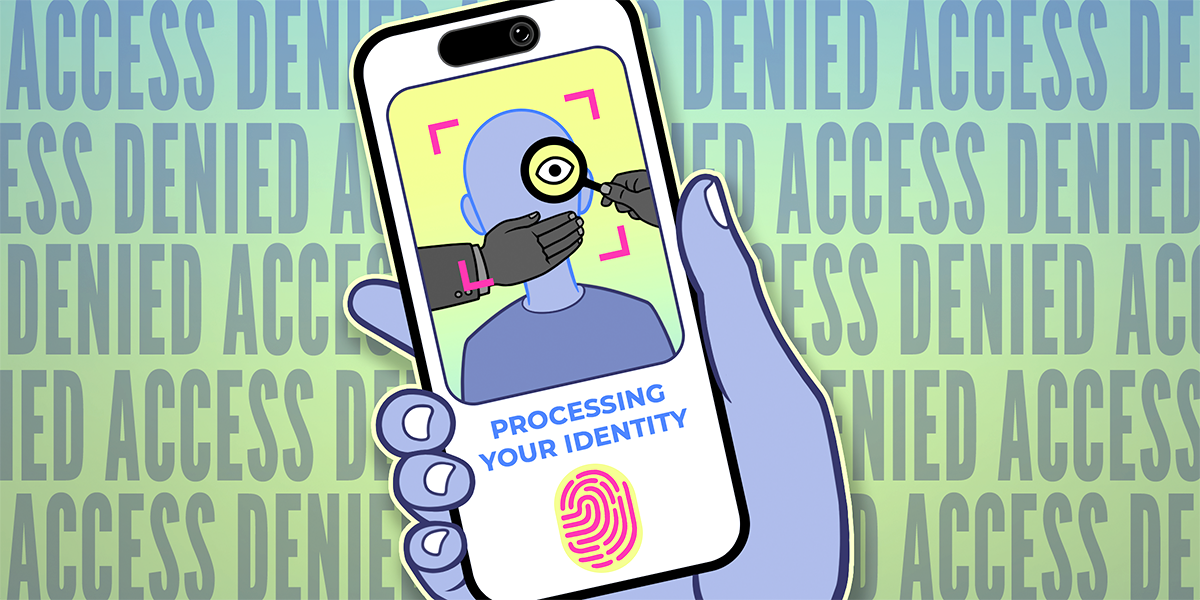
The heart of the problem is the mandatory age-verification requirement. Even under the narrow definition, companies must implement "reasonable age verification" that ties a user's identity to their real-world records—such as government IDs, bank accounts, or app-store accounts linked to a payment method. Consider how this impacts you or your children. For example, if your teenager uses an AI tool for social practice or creative roleplay, they may be blocked or forced to submit sensitive personal information. Make a list of AI companion tools your family uses and check whether they could be affected. This step clarifies the practical privacy risks.
Step 3: Evaluate the Impact on Parental Choice and Family Use
The revised bill does not exempt families who deliberately want their children to use AI companions. Even with parental consent, the age-verification system still applies, creating hurdles. For instance, a military parent might set up an AI storyteller for a young child, or a family might use a conversational AI to help an isolated teen practice social skills. Under the GUARD Act, those interactions could be interrupted by mandatory identity checks. Consider scenarios that matter to you, and note that the bill’s penalties for noncompliance fall on developers, not users, so companies may choose to block entire demographics rather than risk fines. This step helps you understand the lost opportunities for beneficial use.
Step 4: Examine Vague Definitions and Legal Risks
The bill leaves critical terms undefined. For example, what qualifies as "emotional disclosures" or a "persistent character"? Striking the wrong balance can lead to severe penalties for developers. As a concerned citizen or parent, you should watch for how these ambiguities might chill innovation. If you run a small AI company, this vagueness could mean you avoid offering any companion-like features altogether. For users, it means fewer choices and less diverse AI tools. Research how similar vague standards have impacted other technologies (e.g., online content moderation) to anticipate the GUARD Act’s effects.

Step 5: Take Action to Protect Privacy and Choice
Now that you understand the issues, engage with the political process. Contact your elected representatives and urge them to oppose the GUARD Act in its current form. Use the EFF’s action page as a starting point (EFF.org). Clearly state your concerns: privacy-invasive age verification, unclear definitions, and the erosion of parental choice. You can also join advocacy groups, share information on social media, and testify at public hearings if possible. Remember that the bill is still moving through Congress, so your voice matters. Additionally, support companies that prioritize user privacy and clearly communicate their data practices.
Tips and Final Thoughts
- Review the full text: Don't rely solely on summaries; read the bill yourself (it's publicly available) to spot nuances that affect you.
- Consider alternative solutions: Instead of blanket age verification, advocate for industry self-regulation, opt-in parental controls, or anonymized age estimation methods that don't require identity confirmation.
- Protect your digital footprint: Avoid using services that demand excessive personal information if the GUARD Act passes— or lobby for stronger data minimization requirements.
- Educate others: Share this guide with friends, family, or school administrators to raise awareness about how the bill could limit beneficial AI interactions for minors.
- Monitor developments: The GUARD Act may still be amended. Stay tuned to organizations like the EFF for updates and call your representatives when key votes approach.
By following these steps, you can navigate the complexities of the revised GUARD Act, understand its real-world implications, and take informed action to protect privacy, free expression, and the right to choose appropriate AI tools for your family.