From Mormon Culture to McDonald's Menu: The Dirty Soda Phenomenon Explained
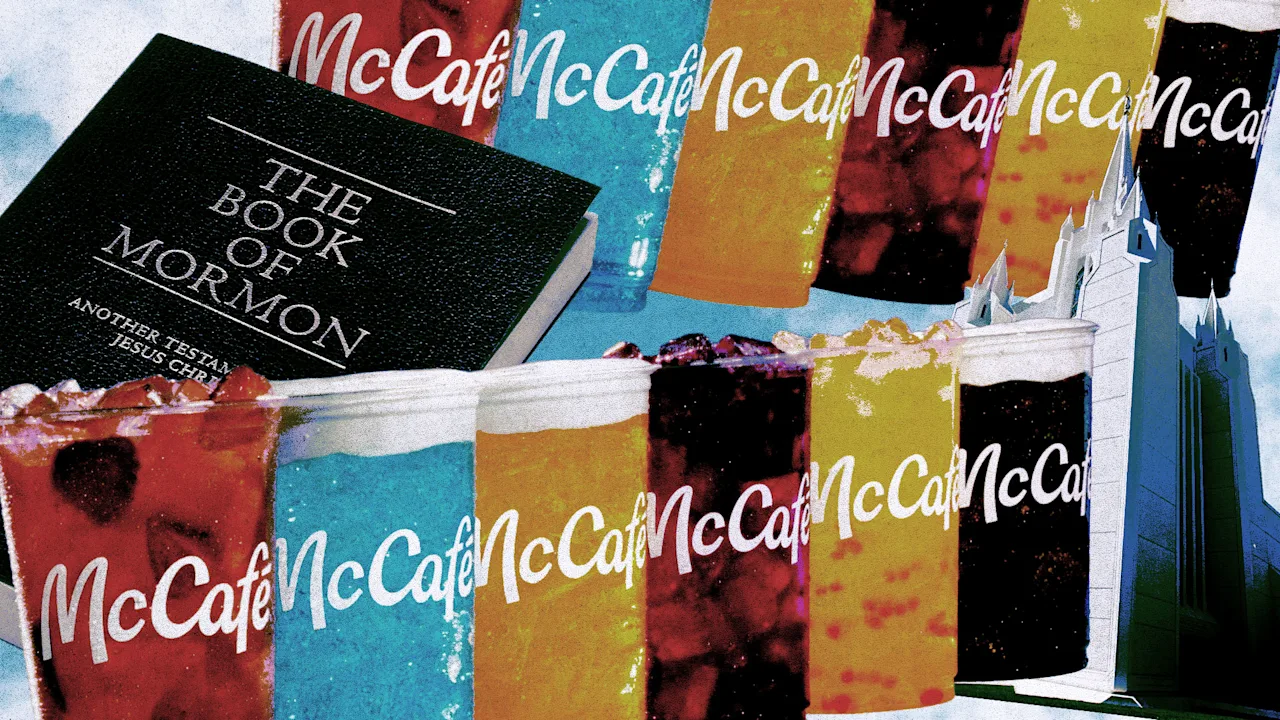
McDonald's is making waves by introducing a menu that taps into a unique cultural trend. On April 28, the fast-food giant announced six new beverages, launching May 6, including three crafted sodas—Sprite Berry Blast, Orange Dream, and Dirty Dr Pepper—that blend soda with flavored syrups and cold foam. These drinks represent the latest mainstream embrace of "dirty soda," a concept deeply rooted in Mormon communities. This Q&A explores the origins, appeal, and viral boost behind this bubbly phenomenon.
What exactly is dirty soda, and where did it originate?
Dirty soda is a creative twist on a classic carbonated drink: it's a soda mixed with flavored syrups and often topped with cream or cold foam. Think of it as a customizable, non-alcoholic beverage that lets you play with flavors. The concept was trademarked by the Utah-based soda shop Swig in 2014, but it had been a beloved treat in Mormon communities long before. In Utah, where 42% of adults identify as Mormon, soda shops are abundant, offering a social hub similar to a bar but without alcohol. The term "dirty soda" itself is trademarked, but the idea of adding syrups and creams to soda has spread far beyond its Utah roots, becoming a national curiosity.
Why is dirty soda especially popular among Mormons?
Dirty soda's popularity in Mormon culture stems from religious dietary restrictions. Members of The Church of Jesus Christ of Latter-day Saints are prohibited from consuming alcohol, tea, and coffee. However, caffeine is still permitted, making soda a go-to beverage for social occasions and daily enjoyment. Soda shops offer a vibrant, alcohol-free alternative where people can gather, customize drinks, and indulge in sweet, refreshing concoctions. As cast member Demi Engemann from The Secret Lives of Mormon Wives noted, for many Mormons, dirty soda is "kind of our vice." It provides a sense of indulgence and community without violating religious guidelines, turning simple soda drinking into a cultural ritual.
How did reality TV show The Secret Lives of Mormon Wives boost the trend?
The Hulu series The Secret Lives of Mormon Wives, which premiered in late 2024, follows a group of Mormon influencers known as MomTok. The very first episode features the cast visiting a Swig location, where they order oversized 44-ounce sodas loaded with syrups and creams. One cast member, Jessi Draper, described Utah as "land of the Mormon bar" because of the abundance of soda shops. The show's massive popularity ignited curiosity among viewers nationwide, leading to a surge in interest and visits to Swig. Swig's CMO, Dylan Roeder, told PRWeek that the show "poured gasoline" on the dirty soda trend, making it a must-try for audiences who had never encountered it before.
Is dirty soda exclusive to Mormon culture?
No, dirty soda is not exclusive to Mormons, despite its strong association with Utah and Latter-day Saint communities. As Swig's CMO Dylan Roeder emphasized, "It's not exclusive to anyone." The concept of adding syrups and creams to soda is universal and appealing to anyone looking for a refreshing, customizable beverage. However, Mormon culture has undeniably been the driving force behind its popularity and mainstream recognition. The trend had seen waves of attention before, but the combination of a popular reality show and now McDonald's national launch has cemented dirty soda as a cross-cultural phenomenon.
What new dirty soda drinks is McDonald's adding to its menu?
McDonald's announced three crafted sodas under its new beverage lineup: Sprite Berry Blast, Orange Dream, and Dirty Dr Pepper. These drinks combine classic sodas with flavored syrups and cold foam, mirroring the dirty soda concept. The launch is part of a six-item beverage collection that also includes other non-soda options. By offering these drinks, McDonald's is capitalizing on the viral trend, making it accessible to millions of customers across the country. The fast-food chain's move is a significant step in bringing dirty soda from niche Utah soda shops to mainstream fast-food counters.
How has social media reacted to McDonald's dirty soda announcement?
Social media exploded with commentary when McDonald's revealed its new dirty soda drinks. Users quickly connected the beverages to their Mormon origins. One user declared, "It's the American century of Mormonism," while another speculated about a "Mormon decade" fueled by rising tradwife culture and purity movements. A third user cited a "Mormon cultural takeover of America," sharing an anecdote about a new soda shop opening in their hometown with a line of cars over a mile long. The reactions range from amused to analytical, but they all underscore the deep cultural resonance of dirty soda and its unexpected journey from Utah soda bars to a global fast-food icon.
What role did Swig play in popularizing dirty soda?
Swig, a Utah-based soda franchise, was the first to trademark the term "dirty soda" in 2014. The chain became synonymous with the trend, offering a wide array of syrups, creams, and mix-ins. Swig's presence in Utah, where soda shops are as common as coffee shops elsewhere, made it a cultural hub. The company's CMO, Dylan Roeder, noted that dirty soda was "still foreign and intriguing" to many before The Secret Lives of Mormon Wives aired. After the show, Swig experienced a massive publicity boost, with customers flooding in to try the featured drinks. Swig's innovation and branding laid the groundwork for the concept to be adopted by larger chains like McDonald's.